The Rustic Billiards Journal |
|
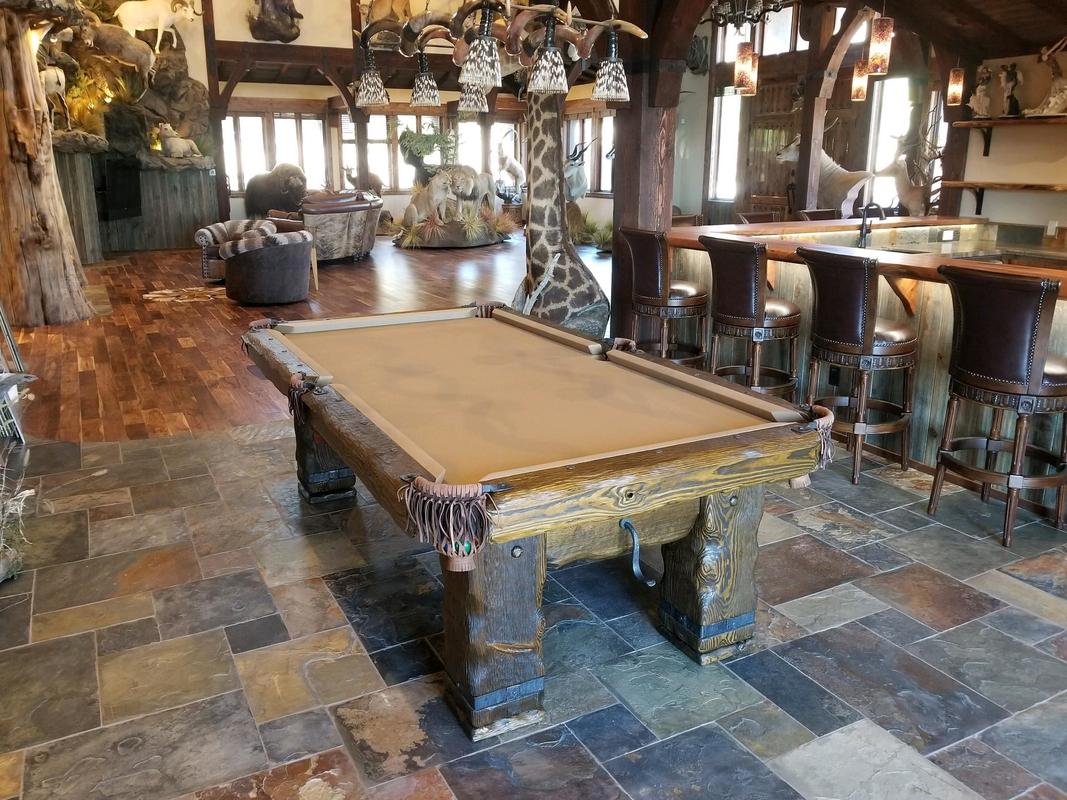
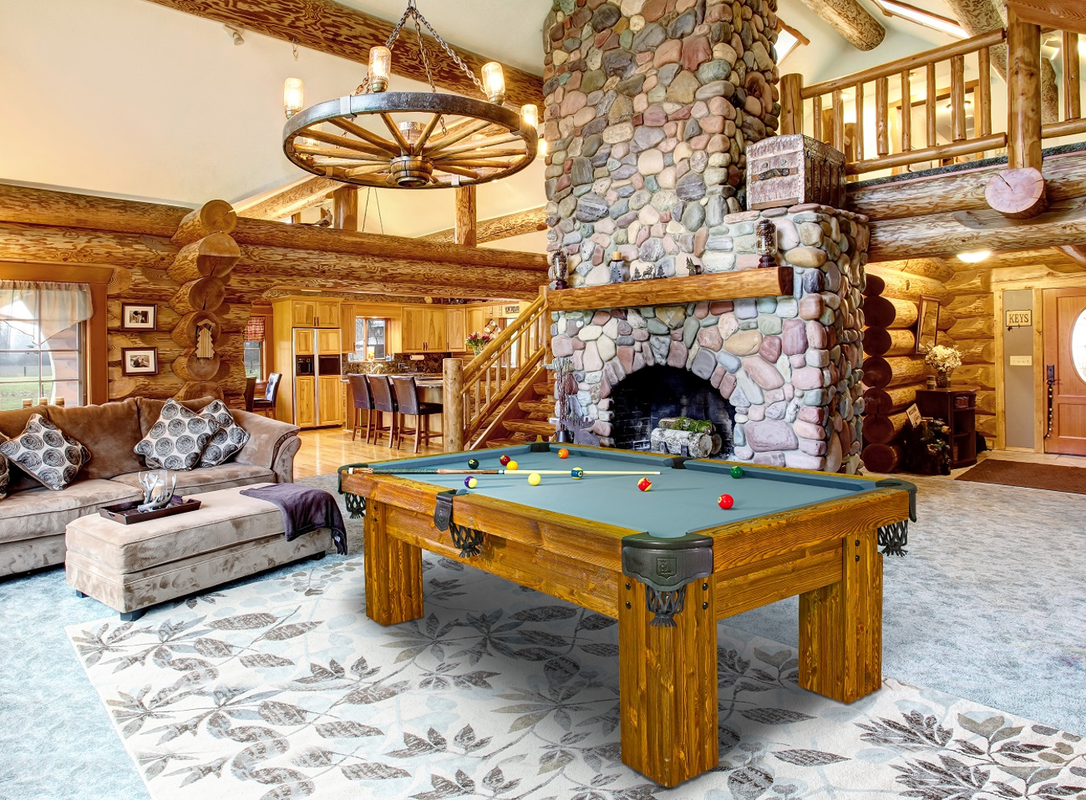
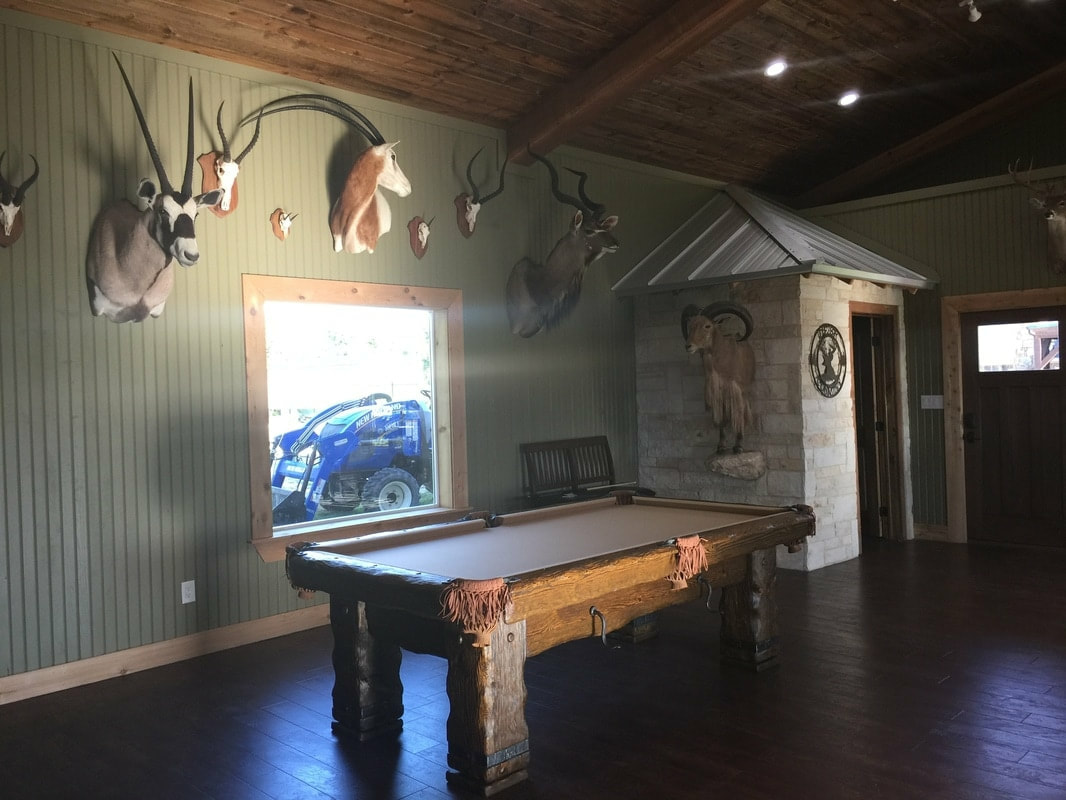
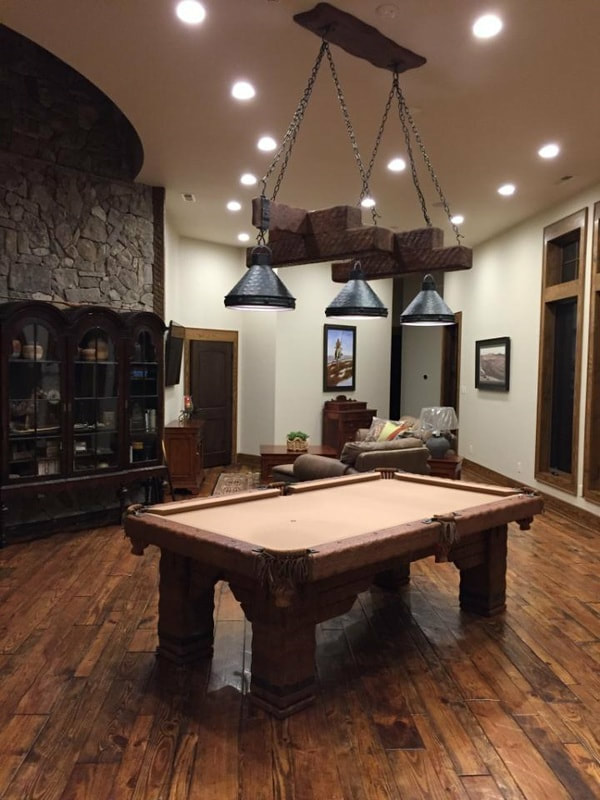
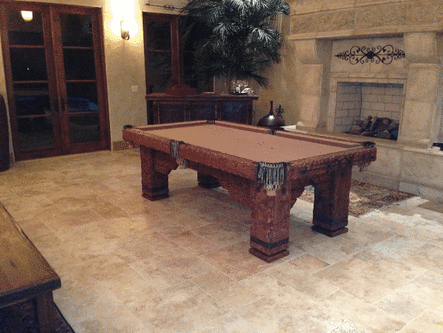
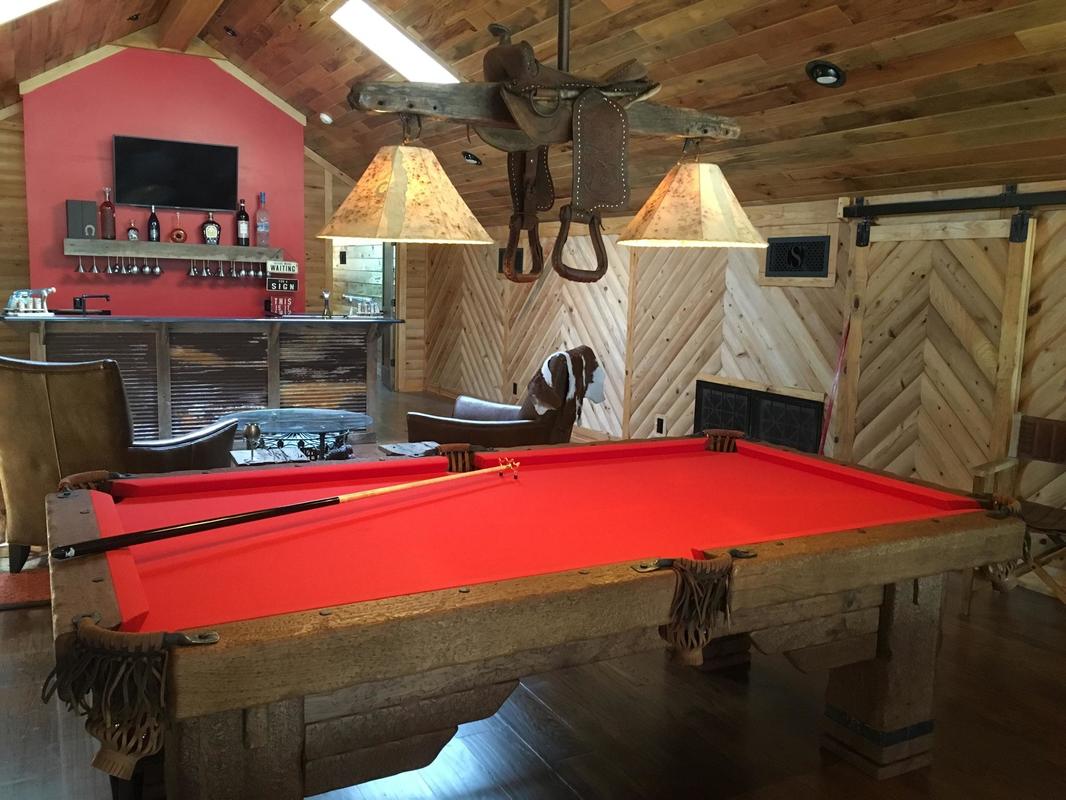
Particleboard cores fail along glue lines, not wood fibers. That distinction matters the moment a three-piece slate bed—diamond-honed to within 0.05mm flatness tolerance—transfers its combined mass load into a cabinet that was never engineered to receive it. The rustic billiard table occupies a peculiar position in furniture construction: its aesthetic vocabulary of exposed knots, hand-hewn textures, and distressed surfaces is not decorative license. It is the visual record of a hardwood that was allowed to season properly, stress-relieve across its grain, and arrive at dimensional stability before any joinery was cut. Northern white oak and reclaimed Douglas fir—the species most commonly specified in heritage rustic builds—carry Janka hardness ratings between 1,290 and 1,650 lbf. At those densities, the cabinet resists the micro-racking that occurs when players lean into rail shots at oblique angles. A mass-produced table with MDF side rails will begin showing corner separation within eighteen months of active play. The same force applied to a cross-bolted antique log chassis distributes laterally through the grain rather than concentrating at fastener points. The room temperature argument for rustic construction is not aesthetic. Wood species with open cellular structures—the same structures that produce visible grain patterns and natural luster under light—respond to ambient humidity changes by expanding and contracting across the width of the board, not along its length. A cabinet built from properly quartersawn hardwood panels controls that movement directionally. The slate bed stays level. On tangentially sawn softwood frames, seasonal humidity swings of 20% RH or more introduce cumulative warp that degrades the cushion rail geometry over time, pulling K-66 profile rubber away from its seating line and introducing throw error at rail contact. Hand-forged metal hardware—leg bolts, corner brackets, and rail anchor plates—carries a functional specification advantage beyond its visual weight. Cast iron and hot-rolled steel components used in quality rustic builds have material thicknesses that prevent the fastener creep common in zinc die-cast hardware. Under repeated impact vibration from break shots averaging 25–30 mph cue ball velocity, lightweight hardware loosens incrementally. The visual heaviness of blackened iron hardware on a rustic frame is the mechanical consequence of specifying components that hold torque retention under long-term dynamic load. The premise that rustic tables occupy only cabin interiors or hunting lodge game rooms does not survive contact with structural reality. Any architectural space that incorporates exposed timber ceiling members, stone cladding, or concrete aggregate flooring creates a thermal mass environment where synthetic laminates age poorly and natural materials stabilize. Interior designers introducing rustic billiard furniture into contemporary open-plan spaces, industrial lofts, or transitional environments are not making a stylistic compromise—they are correcting a thermal and acoustic problem that flat, high-gloss surfaces accelerate. Natural wood absorbs and scatters mid-frequency soundwaves rather than reflecting them back across a hard room, lowering the overall reverberation time during high-occupancy use. Wear behavior on a rustic table confirms the engineering logic over time. Distressed finishes and hand-applied stains are not camouflage—they are base coats applied over wood that already carries surface variation from the milling process. A contact scuff or edge mark on a factory-lacquered veneer table reads as damage. The same contact on an oil-rubbed hardwood frame reads as a continuation of the surface narrative already established by the original finish. The wood ages into its use rather than away from it, allowing the frame to work-harden under regular physical impact without showing structural or cosmetic degradation. Cloth specification on rustic-category tables follows the same reasoning. A 21-oz to 24-oz worsted wool-nylon blend at an 80/20 ratio provides the roll speed and surface consistency that heavier napped cloth cannot maintain under regular play. Napped cloth on a cabinet that experiences seasonal movement becomes directionally inconsistent as the frame shifts, resulting in unpredictable ball-drift over long distances. Worsted cloth on a stable hardwood frame holds its tension uniformly across the playing surface and requires less frequent re-stretching following the initial break-in period. The playing surface becomes unreliable when any single component in the mechanical chain—slate calibration, cabinet stability, rail rubber durometer, cloth tension—deviates from specification. Rustic construction, when executed from properly seasoned hardwood with heavy-gauge hardware and professional slate installation, eliminates the cabinet as the variable in that chain entirely. The Rustic Billiards Journal of Timber Engineering represents an analytical synthesis of heritage craftsmanship and structural materials science. Formulated exclusively for estate managers, timber architects, and private collectors. This rustic pool table is right at home in this Arizona trophy room. The owners of this table were fantastic to talk with and we loved helping them get this all set up in a timely fashion. The color of felt chosen looks perfect in this room. This is what the customer of the photo just below had to say.: "Looks good and plays great. I liked the way this table leveled." William in AZ Ranch Log Pool TableWow the woods of the table match so well to the woods of the room. The perfect color of stain. Spectacular Log Pool Table in a hidden mountain estate. Tournament blue felt is really a beautiful color and brings out some of the stones that are close to that color in the fireplace. Barnwood Rustic Pool Table Video Testimonial
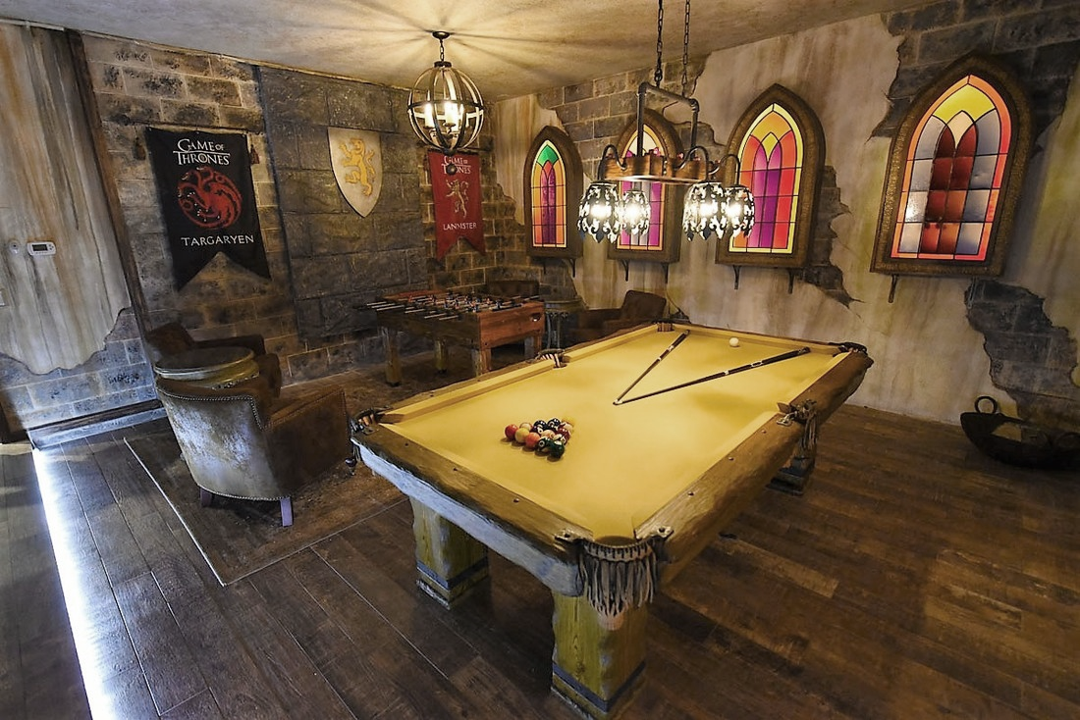
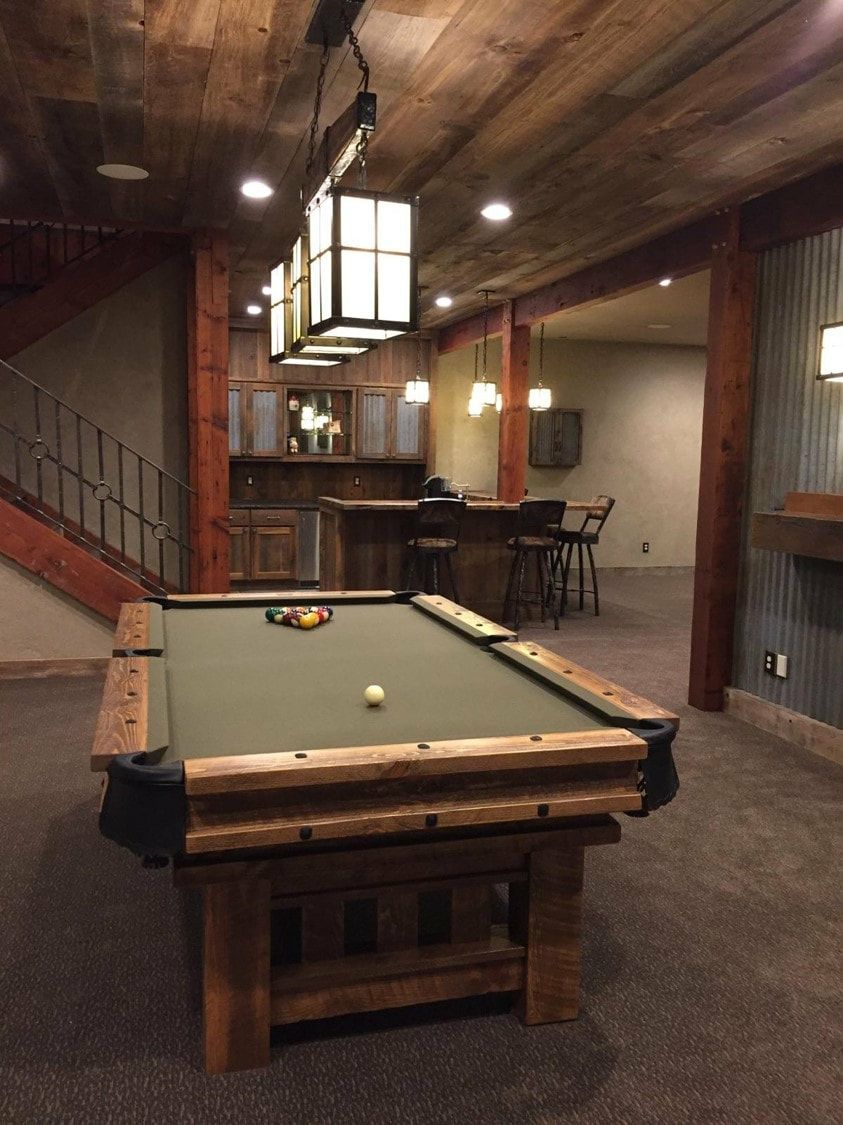
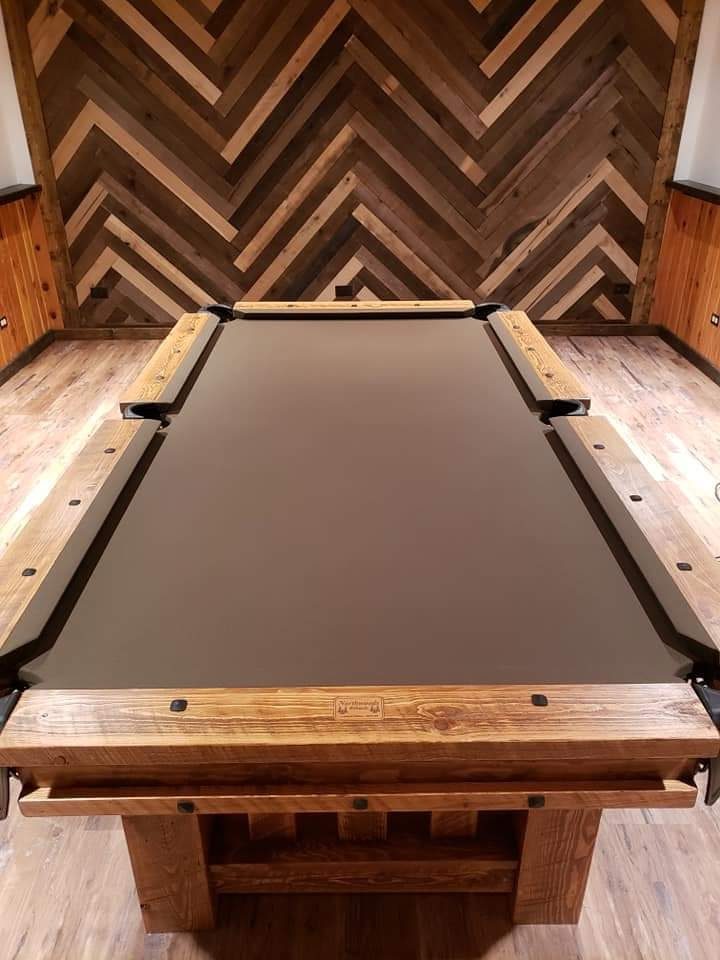
Grizzly Bear Rustic Pool TableA man cave fit for a caveman....or king...this is.. The hardest part of this process was the remote access to this stunning home. The kahki felt was the perfect choice to bring out the colors of that in the room. Rustic Pool Table in TXBright and open billiards room in Texas. This pool table is just a gorgeous compliment to this rugged and touch game room in the heart of TX. The came felt was the finishing touch. Gun smoke rustic pool table in Alabama. This table set up went fantastic and it was such a pleasure serving these fine folks in AL. This really is a wonderful room and the pool table was a dynamic addition. A sandy brown cloth color looks stunning and will give years if not decades of play time... of course the table will last for many generations and be a treasured family heir loom that the entire gang will cherish. Barnwood pool table in Tennessee with Olive Felt. Gunsmoke Rustic Pool Table in MSThis was our first table sold in Mississippi and the table and room look amazing. The rich woods that make this room are the perfect compliment for the gun smoke table. Firebrick felt pops and draws the eyes to the table and looks great with the accent wall. The light by the client was the perfect touch to finish the room,
Comments are closed.
|
AuthorBrian Maier ArchivesCategories
All
|